Media Research Project

“The primary objective of the ADC-RI Media Research Project is to research, track, and document anti-Arab and Islamophobic bias in the media, public discourse, and from public officials. This tracking project will serve as a resource tool which will highlight the prevalence of bias and bigotry. The project will expose xenophobia and hatred that target minorities in the U.S., particularly Arab and Muslim Americans.
The project will also celebrate achievements of Arabs and Muslims from around the world.”

Search
Generic filters

   Try these: RacismIslamophobiaAnti ArabAnti Islam

From Golda Meir at Studio 54 to “Free Palestine”: How the Culture Changed

by ADC Team

Sometimes it’s important to pause and reflect on how far those of us in the Palestinian rights movement have come. It happens from time to time, usually in response to an anecdote or another spontaneous observation.

Iconic Liza Minnelli’s new memoir briefly celebrates the wonderful epoch of Studio 54, Manhattan’s brief-lived late-1970s club phenomenon. It was the place where celebrities like Liza mingled with other icons, from Warhol to Elizabeth Taylor, and everyone in between.

One of the people Liza mentions is Golda Meir, the late Israeli prime minister.

Palestinians and their allies now know the Kiev-born, Wisconsin-raised Meir as the heartless ghoul who infamously said that “There’s no such thing as a Palestinian people.” Meir also wrote in her memoir that the birth of Arab children kept her up at night.

Alas, Meir was a cultural symbol in the West.

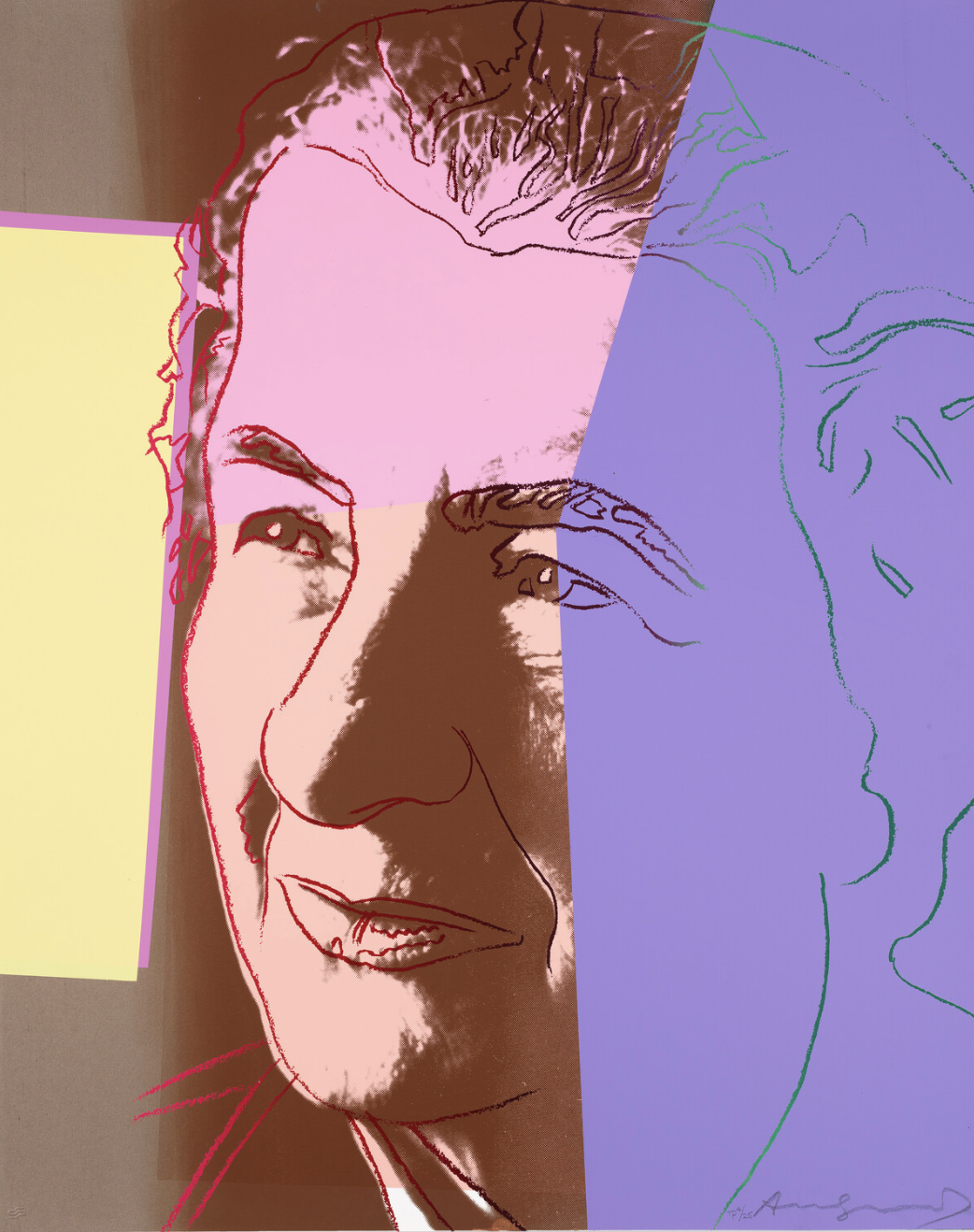
Her Studio 54 appearance, the Warhol painting made in 1980, two years after Meir passed away (see photo above), and Barbara Streisand’s tribute performance, itself part of CBS’s The Stars Salute Israel at 30, a 1978 all-star extravaganza marking Israel’s 30th birthday, all contributed to that image. It was the height of the mythology of Israel and Zionism as a deeply ethical nation of kibbutzniks, usually portrayed as reluctant but brave warriors who fight only self-defense wars and practice “purity of arms.” This myth was most prominently displayed in the pro-Israel, anti-Arab 1958 novel Exodus and its 1960 film adaptation.

It’s hard to imagine Netanyahu ever being a welcome guest at a fashionable nightclub favored by Hollywood actors and New York artists. He’d be booed right out of town. The city of New York has a pro-Palestinian mayor. “Free Palestine” gets loud applause at Hollywood award shows, from the Emmys to the Oscars.

When Jewish-American actress Hannah Einbinder said “Free Palestine” in her Emmys acceptance speech, the crowd loved it, and it went viral with tweets celebrating her for being on the “right side of history.”

And let’s, of course, remember the standing ovation that “No Other Land,” about Palestinians struggling to remain on their land against violent Israeli settlers and soldiers trying to expel them, received when it won the Oscar for Best Documentary in 2025.

This is progress. The culture has shifted from venerating occupying Israelis to expressing solidarity with Palestinians struggling to be free.

A final note: In 2023, the Israeli filmmaker Guy Nattiv directed Golda, starring the Academy Award-winning actress Helen Mirren. There was a time when a historical drama about Israel, headlined by a prominent, respected actress, would have made a mark on the movie scene. For heaven’s sake, the 1976 Israeli Entebbe mission was made into TWO American broadcast TV movies: Victory at Entebbe (1976) and Raid on Entebbe (1977), the former starring Hollywood A-Listers Burt Lancaster and Elizabeth Taylor.

But when Golda came out, both audiences and critics were no longer buying a hagiographic portrayal of an Israeli leader. The film has a Rotten Tomatoes score of 54% and cleared less than $5 million at the US box office. And it got no big award nominations.

In contrast, The Voice of Hind Rajab, despite having no major U.S. distributor, no big American actor, and being in Arabic and English subtitles, attracted — apples to apples — a more committed audience.

The Voice of Hind Rajab, due to the lack of a major distributor, was shown in only 125 movie theaters in the U.S. and Canada. But it earned $7,645 on average per theater. In contrast, the far more widely-distributed Golda earned about $2,200 less per theater. Apples to apples, Americans are more interested in watching Palestinian stories. The Voice of Hind Rajab was also a critical success; it has a Rotten Tomatoes score of 94%.

And Hollywood A-Listers from Brad Pitt, Spike Less, Michael Moore, Alfonso Cuarón, and plenty more joined the production as executive producers. Hollywood’s elite is now far more likely to associate with Palestinians than with Apartheid Israel, unless, of course, you’re a deranged has-been like Zionist bigot Debra Messing. If it’s true that politics is downstream from culture, this is cause for hope.

We have truly come a long way since Edward Said correctly observed that Palestinians were denied “permission to narrate.”

You may also like